
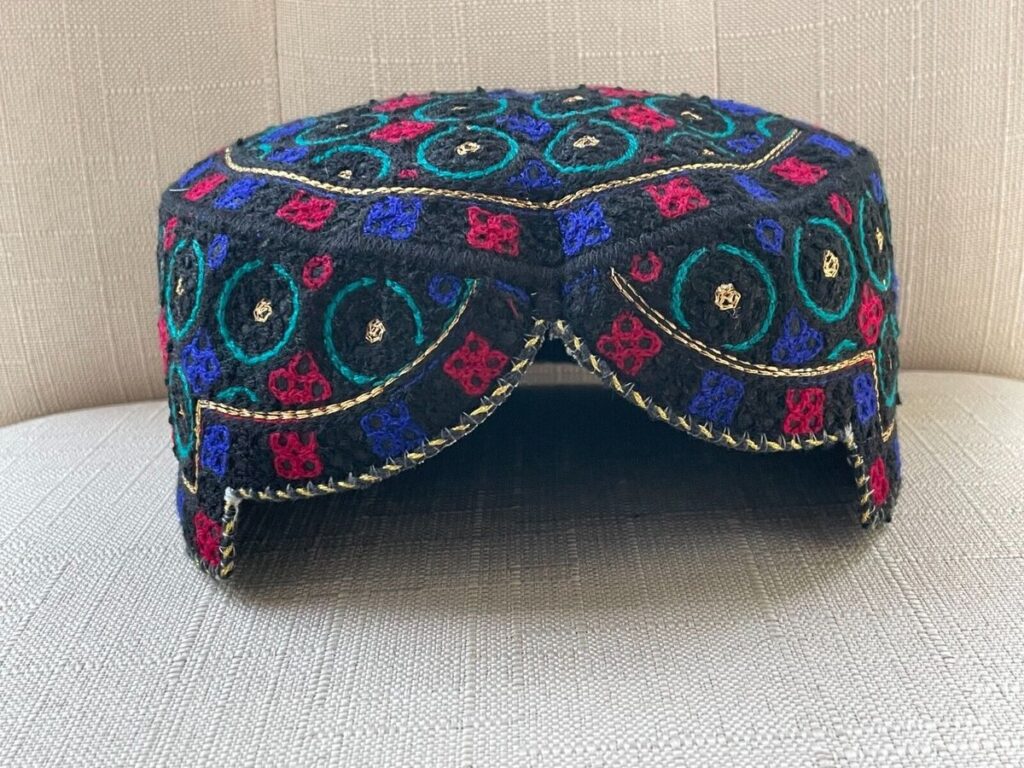
Sindhi Cap
The Sindhi Cap is one of the most recognizable cultural symbols of Sindh, a province in Pakistan known for its rich history, deep-rooted traditions, and vibrant cultural heritage. More than just a piece of clothing, the Sindhi Cap represents identity, pride, respect, and unity among the Sindhi people. Worn during cultural festivals, weddings, and national celebrations, it continues to hold a strong emotional and historical significance.
In this detailed guide, we will explore the history, design, cultural importance, and modern relevance of the Sindhi Cap.
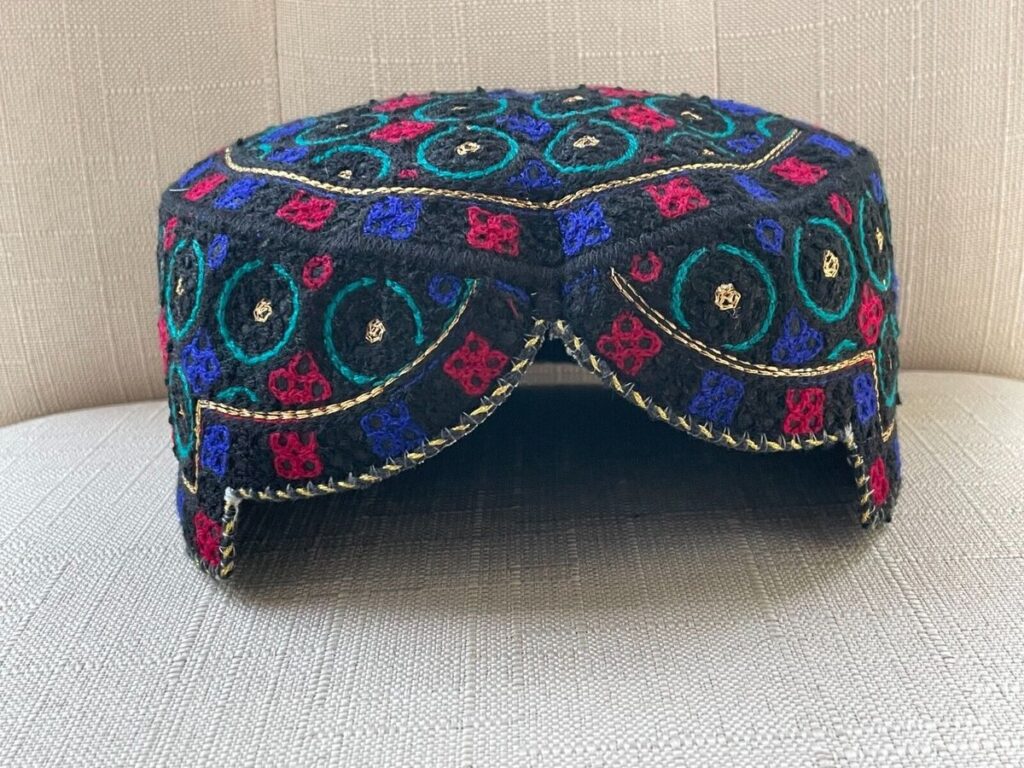
What is a Sindhi Cap?
The Sindhi Cap, also known as the “Sindhi Topi,” is a traditional embroidered cap worn by men in Sindh, Pakistan. It is usually round in shape and decorated with intricate patterns, mirrors, and fine embroidery.
Key Features of Sindhi Cap
- Round-shaped traditional headwear
- Embroidered with geometric or floral designs
- Often decorated with small mirror work
- Made using velvet or cotton fabric
- Worn with a traditional Sindhi Ajrak
The Sindhi Cap is not just fashion; it reflects centuries of cultural evolution and artistic craftsmanship.
History of Sindhi Cap
The Sindhi Cap has a long historical background that dates back to ancient Indus Valley Civilization traditions. Over time, it became an important part of Sindhi identity.
Ancient Cultural Roots
Early Development
The region of Sindh has always been a center of trade and culture. Historical evidence suggests that head coverings were commonly used in ancient Sindh for protection and social identity.
Evolution Over Time
As Sindh came under different rulers and influences, the design of the cap evolved, incorporating local embroidery styles and artistic techniques.
Modern Recognition
Today, the Sindhi Cap is recognized as a strong cultural symbol representing unity and pride among Sindhi people.
Cultural Significance of Sindhi Cap
The Sindhi Cap holds deep cultural meaning beyond its physical appearance.
Symbol of Identity
The cap represents Sindhi identity and is proudly worn by people during cultural and national events.
Cultural Pride
Wearing the Sindhi Cap shows respect for traditions and connection to ancestral roots.
Unity Among People
It symbolizes unity among Sindhi communities across Pakistan and around the world.
Symbol of Respect and Honor
In Sindhi culture, offering or wearing a Sindhi Cap is considered a sign of respect.
Important Occasions
- Weddings
- Cultural festivals
- Official ceremonies
- Guest welcoming traditions
Partnership with Ajrak
The Sindhi Cap is often paired with the famous Sindhi Ajrak, a traditional printed shawl.
Together They Represent
- Cultural harmony
- Traditional fashion
- Sindhi heritage identity
Design and Craftsmanship of Sindhi Cap
The Sindhi Cap is known for its beautiful handmade designs, created by skilled artisans.
Traditional Embroidery Work
Mirror Work
Small mirrors are stitched into the fabric, creating a shining decorative effect.
Geometric Patterns
The cap features detailed geometric shapes that represent cultural symbolism.
Materials Used
Common Fabrics
- Velvet (most traditional and popular)
- Cotton (lightweight version)
- Silk (used in premium designs)
Color Variations
Popular Colors
- Black (most traditional)
- Red
- Blue
- Green
- Multicolored designs
Each color carries its own cultural expression and style preference.
Sindhi Cap in Festivals and Events
The Sindhi Cap plays a major role in cultural celebrations.
Sindhi Cultural Day
One of the most important events where the Sindhi Cap is widely worn is Sindhi Cultural Day.
Celebration Highlights
- People wear Sindhi Caps and Ajrak
- Cultural dances and music performances
- Public gatherings and parades
Weddings and Family Events
Role in Ceremonies
- Groom and male guests often wear Sindhi Caps
- Represents honor and tradition in family gatherings
National Events
Sindhi Cap is also worn during national celebrations to show unity within diversity in Pakistan.
Modern Fashion Influence of Sindhi Cap
In recent years, the Sindhi Cap has also entered modern fashion trends.
Fashion Adaptation
Youth Interest
Young people wear the Sindhi Cap as a fashion statement while still respecting tradition.
Designer Variations
Modern designers have introduced:
- Minimal embroidery caps
- Stylish fusion designs
- Lightweight casual versions
Global Recognition
Sindhi communities living abroad also wear the cap to stay connected with their cultural roots.
Symbolism of Sindhi Cap
The Sindhi Cap is rich in symbolic meaning.
Cultural Symbol
Represents:
- Heritage
- Identity
- Tradition
- Unity
Emotional Value
For many people, wearing the Sindhi Cap is not just tradition but an emotional connection to their homeland.
How Sindhi Caps Are Made
The production of Sindhi Caps involves skilled craftsmanship.
Step-by-Step Process
1. Fabric Selection
High-quality velvet or cotton is selected.
2. Cutting and Shaping
The fabric is cut into a round cap shape.
3. Embroidery Design
Artisans create hand-stitched patterns.
4. Mirror Decoration
Small mirrors are carefully added for aesthetic appeal.
5. Final Finishing
The cap is pressed, shaped, and checked for quality.
Economic Importance of Sindhi Cap Industry
The Sindhi Cap industry also supports local artisans and small businesses.
Job Creation
Supports:
- Handmade artisans
- Textile workers
- Local markets
Cultural Economy
Selling Sindhi Caps helps preserve traditional craftsmanship while contributing to local income.
Why Sindhi Cap is Still Important Today
Despite modernization, the Sindhi Cap remains highly relevant.
Reasons for Its Importance
1. Cultural Preservation
It helps keep Sindhi traditions alive.
2. Identity Representation
It symbolizes who the Sindhi people are.
3. Fashion and Heritage Blend
It combines traditional art with modern style.
Conclusion
The Sindhi Cap is far more than a traditional headpiece. It is a powerful symbol of cultural identity, pride, and unity among the Sindhi people. With its deep historical roots, beautiful craftsmanship, and strong emotional value, it continues to play an important role in both cultural and modern contexts.
From festivals like Sindhi Cultural Day to weddings and global cultural representation, the Sindhi Cap stands as a timeless heritage symbol. As long as traditions are valued, the Sindhi Cap will remain a proud marker of Sindhi identity for generations to come.